

Tranquil Transitions
Honouring a Life Well Loved
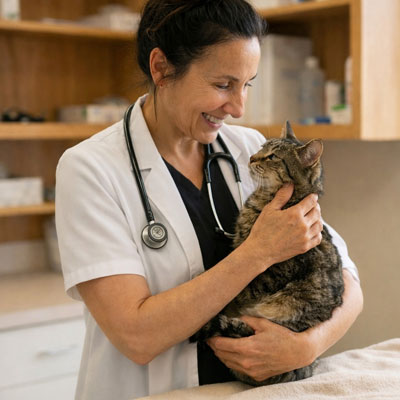

Dr. Kristie Klein
About

Questions

Contact
Compassionate Care
Questions
Bookings


Kristie Klein, Veterinarian




Euthanasia
Comfort & Care
Private Goodbyes


Memorials
Every pet has a story worth remembering. Take a moment to honour these beloved companions and the special bond they shared with their people.

Saratonin

Nahla

Georgia Jean
Common Questions
How do I know when it's time?
This is one of the most difficult decisions a family can make, and there is rarely one perfect moment. Changes in your pet’s comfort, mobility, appetite, breathing, interest in daily activities, and overall quality of life can all help guide the decision. If you’re uncertain, this Quality of Life Assessment may help you better understand your pet’s current well being. At this time, Tranquil Transitions provides at home euthanasia services only and does not offer quality of life consultations, hospice care, or palliative treatment. If you would like to explore those options, please consult your regular veterinarian.
What happens during an in home euthanasia visit?
Every visit is centred around your pet and family. Dr. Klein will answer any remaining questions, explain the process, and ensure everyone feels comfortable before proceeding. Before the procedure begins, the pet’s legal owner or authorized representative will be asked to review and sign a consent form. Sedation is then given to help your pet relax and gently fall into a deep sleep, followed by the euthanasia medication once your pet is peacefully resting. Families are welcome to spend time with their pet before and after the procedure.
Will my pet feel pain?
Providing a peaceful and comfortable experience is Dr. Klein’s highest priority. Sedation is administered before euthanasia to help reduce stress and anxiety. The euthanasia medication works by placing your pet into a deep state of unconsciousness before breathing and heart function stop. Most pets pass peacefully as though they have fallen into a deep sleep.
Can my family be present?
Absolutely. Having the people who love your pet most present during their final moments can be a meaningful and comforting part of the goodbye process. Family members and close friends are welcome to be there to offer support, share memories, and surround your pet with love.
A calm and peaceful environment is important during euthanasia. Although loved ones are welcome, a very large gathering or highly emotional environment can sometimes make the experience more difficult for your pet and family. We encourage you to include the people who will help create a quiet, loving, and supportive space where your pet can feel safe and cared for during their final moments.
Should children be present during the euthanasia?
Whether a child should be present during the euthanasia of a beloved pet is a deeply personal decision, and there is no single right answer. Many families find that including children, when they are emotionally ready and willing, can help them understand death in a gentle and honest way while providing an opportunity to say goodbye.
Because the euthanasia process is typically peaceful, it is often less frightening than a child may imagine. However, every child is different. Their age, maturity, personality, willingness to participate, and previous experiences with loss should all be considered.
If a child will be present, preparing them beforehand with simple, age appropriate explanations and allowing them to ask questions can help them feel safe and supported. Whether or not they attend, children often benefit from meaningful ways to remember their pet, such as drawing a picture, writing a letter, creating a scrapbook, or sharing favourite memories.
With love, honesty, and reassurance, families can help children process their grief and honour the special bond they shared with their companion.
Should my other pets be present during the euthanasia, and what can I do to help them afterwards?
Whether another pet should be present during a companion’s euthanasia is a personal decision, and there is no single right answer. Every pet has a unique personality, and what is comforting for one may be stressful for another.
Many families choose to allow other household pets to be present or to quietly enter the room afterwards to sniff and spend a few moments with their companion. Although we cannot know exactly what animals understand about death, many veterinarians have observed that this opportunity may help reduce confusion and searching behaviours after a pet has died.
However, some pets may become anxious, overly excited, or distressed in unfamiliar or emotional situations. If another pet is likely to interfere with the procedure or become overwhelmed, it may be kinder to have them remain nearby in another room and invite them in afterwards, if appropriate.
After the loss of a companion, it is normal for surviving pets to grieve. They may seem quieter than usual, search for their companion, sleep more, or experience temporary changes in appetite or routine. Maintaining familiar routines, spending additional quality time together, engaging in gentle play or walks, and offering plenty of reassurance can help them adjust.
Some pets may also find comfort in familiar scents or belongings, such as a favourite blanket, bed, or toy that belonged to their companion. Most pets gradually adapt with time, patience, and the continued love and support of their family.
My pet is in distress and needs to be seen immediately. How soon can you get here?
Urgent requests will be accommodated whenever possible. However, Tranquil Transitions is not an emergency veterinary service. Availability depends on your location, your pet’s individual needs, and previously scheduled appointments or commitments.
Limited appointments are available most days, with no availability on Thursdays. We generally respond within 24 hours unless the website or answering machine indicates that we are temporarily unavailable.
If your pet is in distress and requires immediate care, please contact the nearest available veterinarian or veterinary emergency hospital.
What if my pet is fearful, anxious or aggressive?
How long does the appointment usually take?
Most appointments take approximately one hour, although this may vary depending on your pet’s needs and your family’s wishes. Pets with significant anxiety, fear, or aggression may require additional time and preparation. If this applies to your pet, please let Dr. Klein know before booking so the appointment can be planned appropriately and the best care can be provided.
What happens after my pet passes?
After your pet has passed, their eyes may remain open. Some pets may also have involuntary muscle twitches (fasciculations), a few final reflex breaths, or may urinate, defecate, or release a small amount of fluid or food from the mouth as the body relaxes. Although these changes may be unsettling to witness, they are normal physical reflexes that can occur after death. Your pet is completely unaware of them and is not experiencing any pain or distress.
Aftercare arrangements should be made before your appointment. If you have chosen cremation through Cherished Companions Crematorium, Dr. Klein can respectfully transport pets weighing up to 30 lbs. If you choose another crematorium or pet cemetery, you will be responsible for making those arrangements and arranging transportation unless otherwise requested. If you choose home burial, please review our Home Burial Information. It is your responsibility to ensure that home burial is permitted in your area and complies with all applicable local bylaws and regulations.
What cremation options are available?
You may choose private or communal cremation through Cherished Companions Crematorium, another crematorium or pet cemetery of your choice, or home burial where permitted. To learn more about cremation services and memorial products, please visit Cherished Companions Crematorium. Please also review our Fees & Aftercare for complete details about aftercare options, fees, and memorial keepsakes.
Can I keep a lock of my pet's fur?
Yes. Complimentary fur clippings are available if you would like a small keepsake to remember your companion.
What areas do you serve?
Tranquil Transitions provides in home pet euthanasia services throughout Chilliwack and surrounding communities. Travel fees apply. Please review our Fees & Aftercare for travel information, or contact Dr. Klein to discuss your location and availability. In certain circumstances, such as inclement weather or when travelling to your home is not practical, arrangements may be made for your pet to be euthanized in a private, peaceful room at Cherished Companions Crematorium.
What if my pet is large or unable to walk?
Dr. Klein understands that many pets have limited mobility during their final days. Your pet can remain in their favourite resting place whenever possible, reducing unnecessary movement and helping them remain comfortable throughout the visit.
Can my regular veterinarian be notified?
What should I do before the appointment?
Many families choose to spend quiet time with their pet, offer a favourite treat if appropriate, gather family members, or prepare a favourite blanket or bed. There is no right or wrong way to say goodbye. The most important thing is that your pet feels surrounded by love. If you would like a paw print or other keepsake, we encourage you to make those arrangements before your appointment. Dr. Klein provides complimentary fur clippings upon request but does not provide other memorial keepsakes. For DIY paw print supplies, please visit Spawts. If you are choosing cremation through Cherished Companions Crematorium, you can also view their Memorial Products before your appointment.
How do I book an appointment?
First Steps & Bookings
We understand this is a deeply personal decision, and we're here to support you with compassion and care.

Tranquil Transitions is not an emergency service.
"Until one has loved an animal, a part of one's soul remains unawakened."
— Anatole France
Powered by Creation Designs
At Home Pet Euthanasia Services
Powered by Creation Designs